


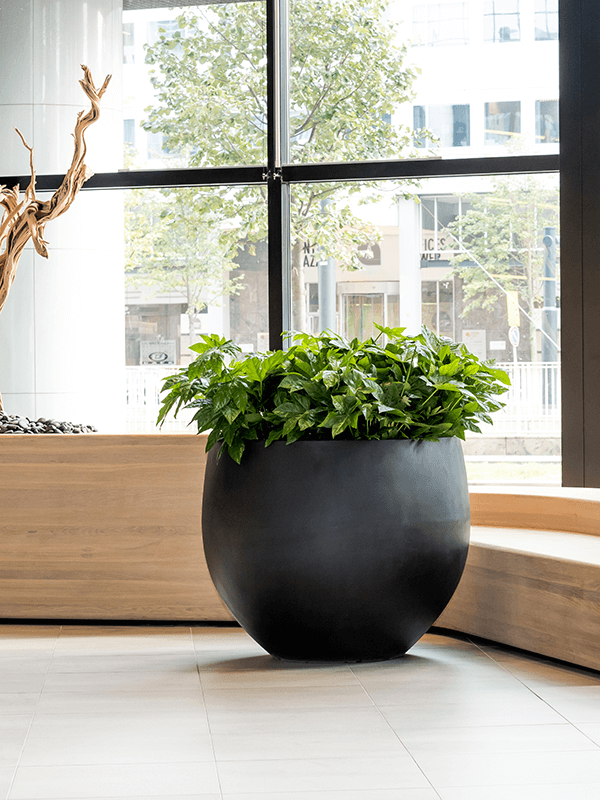
Fiberstone pots bring a contemporary, mineral look to gardens, terraces and interiors. Their appeal lies in the combination of appearance, manageable weight and a wide choice of shapes. Selecting the right model means considering both its design and the conditions in which it will be used.
What is Fiberstone?
Fiberstone is a composite material that combines finely ground stone with fibreglass. It offers a stone-like appearance without the weight of a comparable solid-stone container. The exact construction, finish and performance depend on the manufacturer and collection.
For a garden planter or a large decorative container, this combination can make positioning easier while providing the substantial visual presence of a mineral material. Always consult the individual product specifications for weight, intended use and resistance ratings.
The practical benefits of Fiberstone pots
A durable container for the right setting
Fiberstone ranges include models designed for outdoor conditions. Before choosing one for an exposed terrace or garden, check the stated resistance to frost and ultraviolet light, along with the manufacturer's installation and care instructions. A material name alone does not establish the performance of every model.
More manageable weight
A Fiberstone planter can be easier to handle than a similar container made from solid stone. Even so, a large planter becomes much heavier once filled with growing medium, a plant and water. Plan access, positioning and any lifting equipment before filling it.
A choice of finishes
From smooth contemporary surfaces to textured mineral effects, the finish helps a planter fit its surroundings. Consider the colour and texture alongside the foliage, furniture, flooring and other materials in the space.
Options for interiors and outdoor spaces
Suitable models can be used in living rooms, entrances, balconies or gardens. For indoor use, check how the floor will be protected from water. For outdoor planting, make sure the container and its drainage arrangement suit the exposure and the chosen plant.
Colour and surface protection
If the planter will receive strong sunlight, look for a model whose manufacturer confirms suitability for that exposure. Follow the care guidance for its particular finish instead of assuming that all colours and coatings age in the same way.
Straightforward care
Clean the container according to the manufacturer's instructions. Where permitted, a soft cloth or brush with water and a mild cleaner can help remove surface dirt. Avoid abrasive products or treatments that could affect the finish.
Formats for different projects
A compact pot and a large container for a specimen plant serve different purposes. Compare the internal opening, usable depth and overall dimensions, as well as the visual proportions of the plant and pot together.
Comparing Fiberstone with other planter materials
Terracotta
Advantages: A traditional, natural appearance. Unglazed terracotta is porous, allowing moisture to pass through the pot walls.
Points to consider: It can be heavy and may break if knocked. Frost resistance varies between products, and the growing medium may dry more quickly than in a non-porous container.
Plastic
Advantages: Usually light, affordable and available in many colours and shapes. A plastic nursery pot can also be a practical inner container inside a decorative planter.
Points to consider: The quality, appearance and resistance to outdoor exposure vary. Compare the stated specifications and consider how the finish will look in the intended setting.
Wood
Advantages: A warm, natural character that works well on terraces and in gardens. Its appearance can complement timber furniture and landscaping.
Points to consider: Durability depends on the wood, its treatment and exposure to moisture. Follow the recommended maintenance and check the planter's lining and drainage design.
Ceramic
Advantages: A broad choice of decorative finishes and colours, from understated surfaces to more distinctive glazed designs.
Points to consider: Ceramic can be heavy and fragile. Confirm whether the particular pot is suitable for outdoor use and frost rather than relying on its appearance.
Fiberstone
Advantages: A mineral appearance, varied shapes and finishes, and a weight that can be easier to manage than solid stone. The range includes models suitable for many interior and exterior projects.
Points to consider: The price may be higher than that of a basic plastic container. Confirm the model's drainage, weight, surface care and suitability for its planned location.
Choose according to your plant and your space
The best material balances the look you want with the plant's needs, practical handling and your budget. Fiberstone is a useful option when you want a substantial visual effect with more manageable weight, but the individual planter's specifications remain the basis for choosing it.
In summary
Fiberstone offers varied possibilities for displaying plants. Base your choice on the planter's specifications, its finish and the installation conditions: these determine its suitability for indoor or outdoor use.
Tips
- Check the usable opening and depth against the nursery pot or rootball.
- Confirm how water will drain or be collected before planting.
- Plan the full planted weight and the route to the final location.
- Follow the care and winter-protection instructions for the exact model and finish.